The BOFU Blind Spot: What Hotels Are Overlooking in Their Direct Channel
Booking Engine 18/08/2025
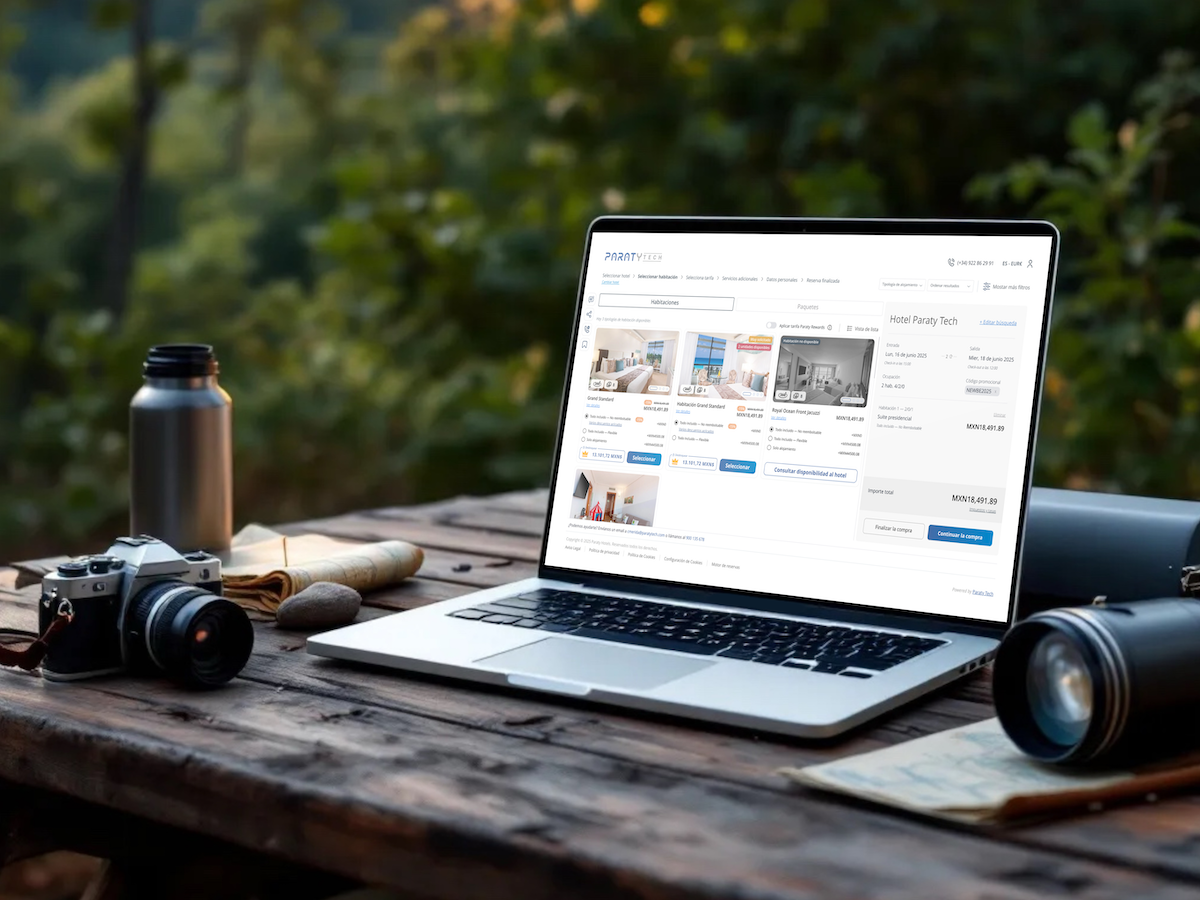
At Paraty Tech, we’ve focused all our efforts on improving the booking experience for travelers and optimizing direct channels for hotels. From implementing advanced technology in our booking engines to designing loyalty programs and offering innovative solutions like Hotel + Flight packages, our goal has always been clear: drive traffic to our clients’ websites, improve conversion rates, and ensure the best possible user experience. This has involved close collaboration across account, marketing, and strategy teams to help each hotel make the most of its direct channel.
However, there’s a critical point in the booking journey that has not been addressed properly: the payment gateway. While OTAs (online travel agencies) optimized this friction point years ago, adapting payment methods to each market and offering options like deferred payments or trusted platforms such as Stripe and PayPal, the hotel sector is still lagging behind. Friction at checkout can be the difference between a successful sale and a lost opportunity. Unfortunately, many hotels are losing customers due to inefficient payment processes.
One major reason for this is that payment gateway decisions usually sit with the finance team, while ecommerce, marketing, and sales strategies are led by the commercial side. This disconnect often results in choosing a lower-cost payment gateway that may be less effective, compromising the user experience and, ultimately, hurting conversion rates.
The numbers tell a worrying story: in some markets, bounce rates during the payment process reach as high as 50%. In other words, half of the users who make it to the payment stage abandon their booking. This level of drop-off is unacceptable, especially when OTAs have perfected this critical part of the customer journey.
Technology, commercial strategy, and digital marketing can successfully lead a traveler to the point of booking, but if the payment experience falls short, all that effort risks going to waste. The hotel industry must treat the payment gateway as a core part of the customer journey and a key driver of conversion. By investing in flexible, reliable, and traveler-friendly payment solutions, we can create a smooth path to purchase and prevent unnecessary losses at the final, most critical step.
However, there’s a critical point in the booking journey that has not been addressed properly: the payment gateway. While OTAs (online travel agencies) optimized this friction point years ago, adapting payment methods to each market and offering options like deferred payments or trusted platforms such as Stripe and PayPal, the hotel sector is still lagging behind. Friction at checkout can be the difference between a successful sale and a lost opportunity. Unfortunately, many hotels are losing customers due to inefficient payment processes.
Why Is This Happening?
One major reason for this is that payment gateway decisions usually sit with the finance team, while ecommerce, marketing, and sales strategies are led by the commercial side. This disconnect often results in choosing a lower-cost payment gateway that may be less effective, compromising the user experience and, ultimately, hurting conversion rates.
Real-World Examples of Payment Friction
- The British Traveler in Mallorca, Spain: This traveler compares hotel options across OTAs, tour operators, and metasearch engines, all of which offer a variety of payment methods backed by robust, reliable systems. If one method fails, an alternative is immediately available to complete the booking. The result? A smooth, friction-free experience.
- The Same Traveler on the Hotel’s Official Website:After comparing prices and choosing a property, the traveler proceeds to book directly. But at checkout, they're presented with a basic credit card form and a pop-up from an unfamiliar local bank. This raises concerns about security and trust. Worse, their card limit isn’t sufficient to cover the full amount. Frustrated, they abandon the booking and return to the OTA, where the payment process feels easier, safer, and more intuitive.
The Scale of the Problem
The numbers tell a worrying story: in some markets, bounce rates during the payment process reach as high as 50%. In other words, half of the users who make it to the payment stage abandon their booking. This level of drop-off is unacceptable, especially when OTAs have perfected this critical part of the customer journey.
Tips to Optimize the Payment Process and Boost Conversion
- Choose an Efficient Gateway, Not the Cheapest One: Payment gateway decisions should be based on their ability to meet travelers’ needs and offer a smooth, reliable experience, not just on cost.
- Offer Multiple Payment Options: Don’t depend on a single payment gateway. If one method fails, there should be a fallback to keep the transaction moving. Consider offering different gateways based on the traveler’s market or currency to create a more familiar and trustworthy experience.
- Adapt Payment Methods to the Traveler’s Country of Origin: Beyond the common ones like PayPal, Apple Pay, or Google Pay, it's essential to provide local options like Bizum (Spain), WePay (China), or Sofort (Germany). This allows travelers to pay in the way that suits them best.
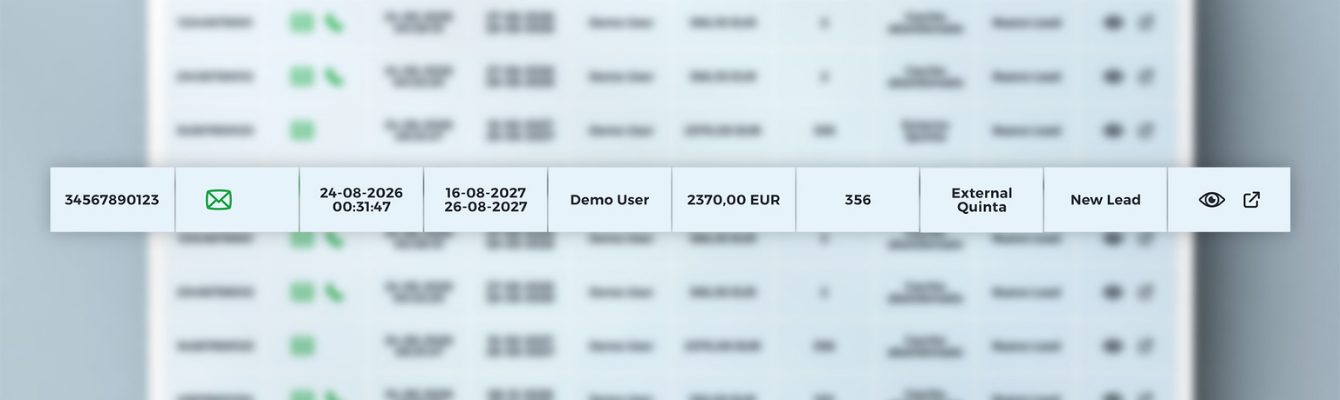
- Implement Abandoned Cart Recovery: Use a system that identifies when a booking is abandoned due to payment issues. Whether through a CRM or sales team, reach out to help the customer complete the transaction. These leads tend to convert at high rates, often above 70%.
- Provide Call Center Support: A trained team ready to intervene at the bottom of the funnel can make all the difference. If a user has trouble completing a booking, the call center can assist them in real time to resolve things quickly.
- Monitor the Funnel with BI Tools: A strong business intelligence system can reveal where users are getting stuck. Analyzing the sales funnel and understanding why customers aren’t completing bookings is essential for improving conversion rates.
- Set Up Real-Time Alerts: Implement alerts to detect anomalies in the booking funnel, like an unusually high number of payment failures. These alerts allow you to act quickly and fix issues before they become conversion-killers.
In Conclusion
Technology, commercial strategy, and digital marketing can successfully lead a traveler to the point of booking, but if the payment experience falls short, all that effort risks going to waste. The hotel industry must treat the payment gateway as a core part of the customer journey and a key driver of conversion. By investing in flexible, reliable, and traveler-friendly payment solutions, we can create a smooth path to purchase and prevent unnecessary losses at the final, most critical step.