Google's UCP: the open standard that turns AI interactions into instant sales
Booking Engine 26/01/2026
Until now, artificial intelligence has primarily assisted travelers during the inspiration and research phase. Today, it takes a further step, reaching the point of closing the sale. At the heart of this shift is the UCP, Universal Commerce Protocol , an open standard driven by Google that will allow AI systems to discover and execute complete transactions directly from conversational interfaces like Google's AI Mode or Gemini.
Although it is already being tested in e-commerce and is not yet an operational reality in the hotel sector, what does seem clear is that the UCP clearly marks the direction in which direct sales will evolve .
Google Developers defines the Universal Commerce Protocol (UCP) as a protocol designed to turn interaction with an AI agent into instant sales , reducing user friction to a minimum.
Its potential lies in establishing a common language between AI agents, companies business systems, and payment providers. All of this within a single conversational environment that allows for managing the entire buying process, from initial inspiration to after-sales service.
But, at this point, the big question is: are we looking at a new sales player for the hotel sector? And no, it's not what you're thinking.
The sale remains yours . The UCP doesn't replace the hotel or the chain as a sales channel. It's not a new intermediary or a disguised marketplace. What it does is radically simplify the booking process, eliminating unnecessary steps and friction for the user.
The hotel maintains control over inventory, pricing, and customer relations. The change isn't in who sells, but in how the sale is made. This solution promises higher conversion rates and, at the same time, raises the technological demands on the hotel or chain.
Before the UCP, the industry began to talk about the Model Context Protocol (MCP) as the standard that allows AIs to correctly understand the context of a hotel business: inventory, rules, policies, and official information.
The MCP addressed the question of “what this hotel is.” The UCP addresses the question of “how to buy it.”
These are not opposing protocols, but complementary ones. UCP relies on the comprehension layer enabled by MCP and adds the ability to execute an actual transaction.
At Paraty Tech, we've been anticipating this scenario for some time. That's why we developed Paraty AI Suite, our native artificial intelligence suite, designed as the structural foundation of our new technological ecosystem for the direct channel.
Among other developments, this suite includes the MCP-Ready booking engine , laying the foundation for our clients to naturally evolve towards scenarios compatible with standards such as UCP when it finally arrives in the hotel sector.
It's not about reacting to change when it's inevitable. It's about preparing the direct channel today for the sales model of the near future.
The MCP has enabled artificial intelligence to understand the hotel offer; the UCP marks the next step: transforming that understanding into bookings.
The question is no longer whether this change will come, but whether your direct channel will be ready when AI starts selling rooms.
Although it is already being tested in e-commerce and is not yet an operational reality in the hotel sector, what does seem clear is that the UCP clearly marks the direction in which direct sales will evolve .
What is the UCP and why does Google consider it key?
Google Developers defines the Universal Commerce Protocol (UCP) as a protocol designed to turn interaction with an AI agent into instant sales , reducing user friction to a minimum.
Its potential lies in establishing a common language between AI agents, companies business systems, and payment providers. All of this within a single conversational environment that allows for managing the entire buying process, from initial inspiration to after-sales service.
But, at this point, the big question is: are we looking at a new sales player for the hotel sector? And no, it's not what you're thinking.
The sale remains yours . The UCP doesn't replace the hotel or the chain as a sales channel. It's not a new intermediary or a disguised marketplace. What it does is radically simplify the booking process, eliminating unnecessary steps and friction for the user.
The hotel maintains control over inventory, pricing, and customer relations. The change isn't in who sells, but in how the sale is made. This solution promises higher conversion rates and, at the same time, raises the technological demands on the hotel or chain.
What does this model imply for direct hotel sales?
- Instant bookings within Google's AI
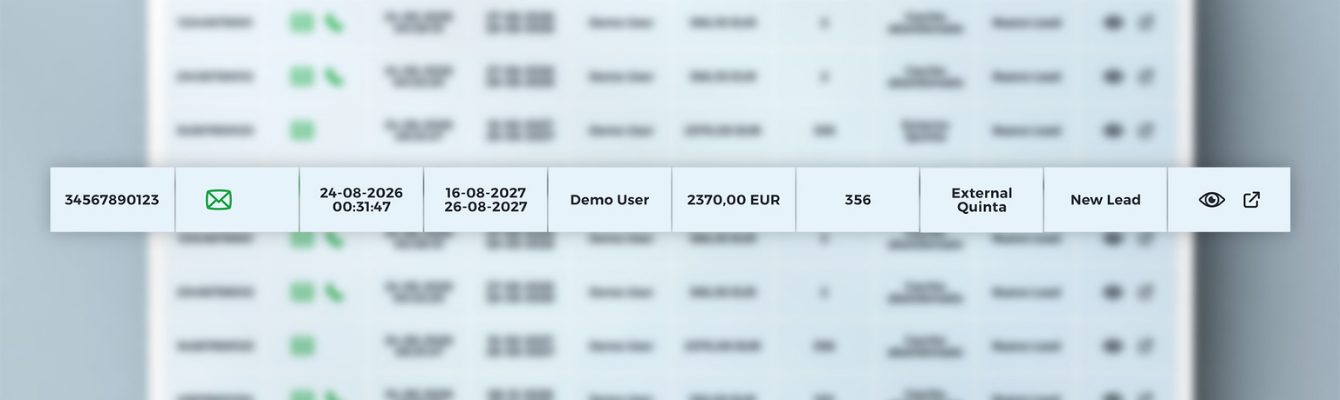
Guests can check availability, confirm their room, and finalize their booking without leaving Google's AI platform. This scenario promises higher conversion rates, but if poorly managed, it can make it difficult for the hotel to identify the sale as their own in their CRM and PMS systems. - Less abandonment in the booking process
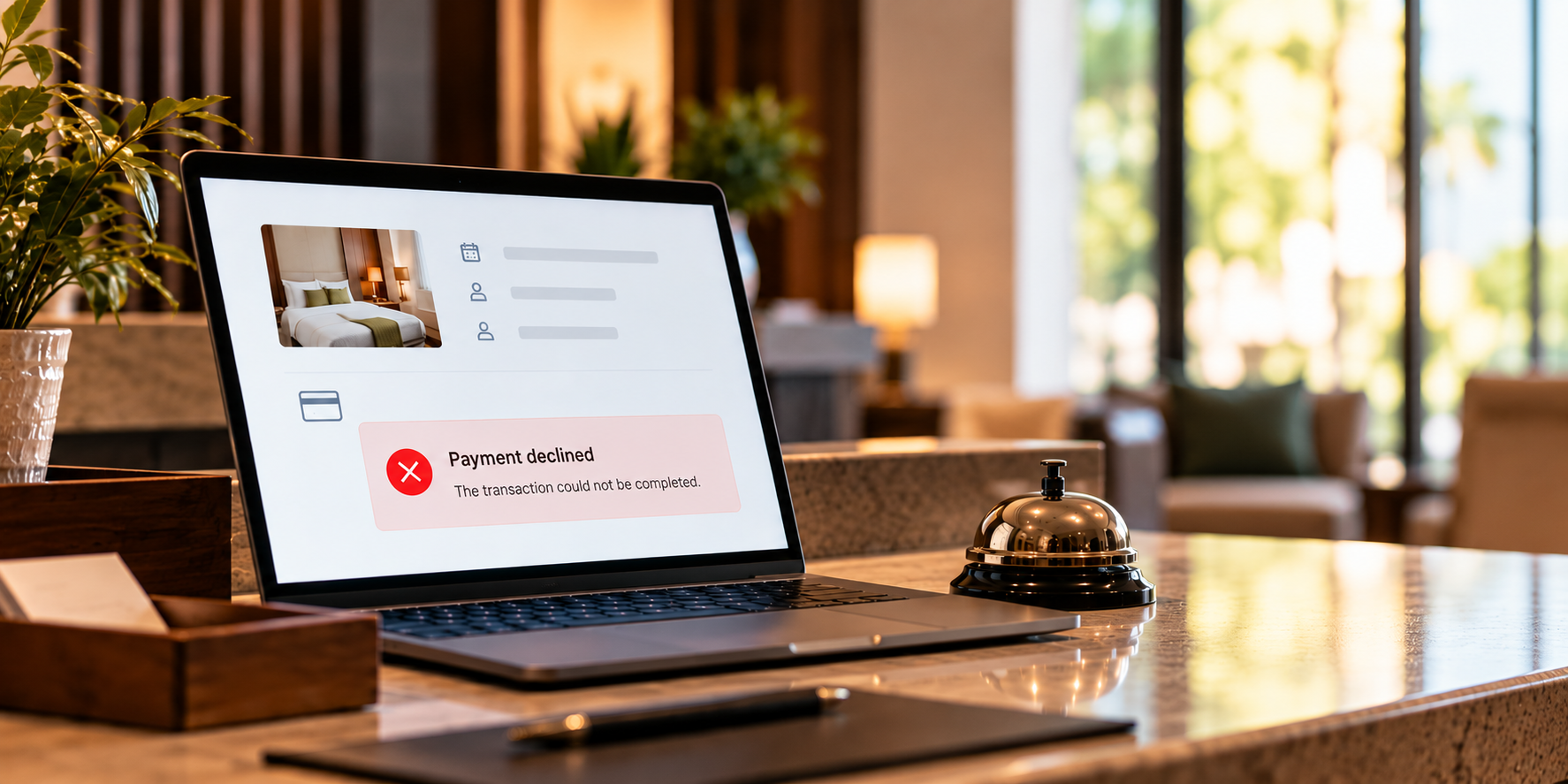
Using saved payment methods, such as Google Wallet, minimizes one of the biggest problems in the conversion funnel: abandonment caused by friction during the payment process or by distrust of certain banks suggested by the hotel but unknown to the guest. Fewer steps mean fewer doubts. - New AI-powered touchpoints
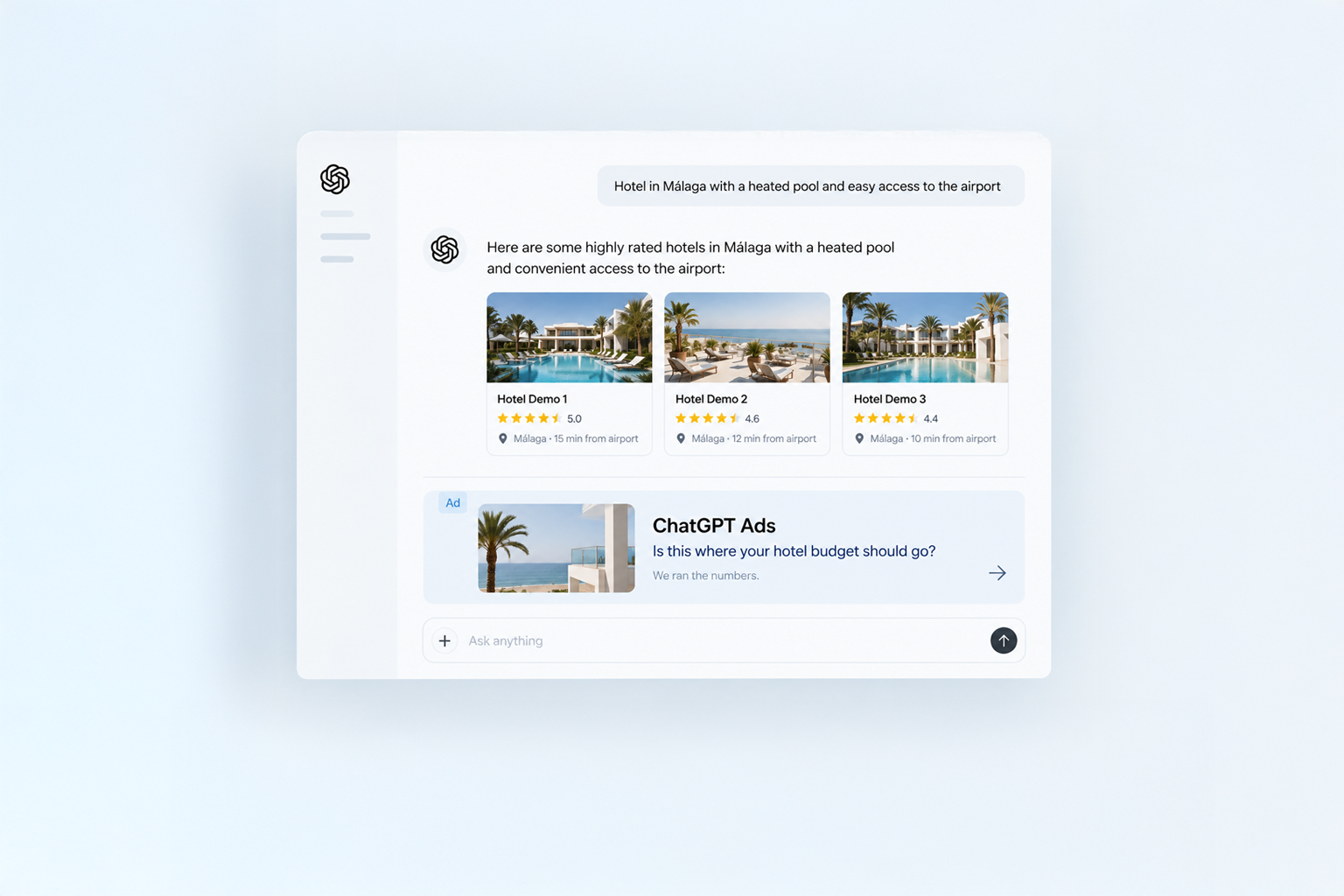
Travelers are spending less time on traditional websites and more time interacting with AI assistants. With the UCP, these agents can interact with your hotel and finalize bookings directly.
This doesn't mean leaving everything in the hands of AI. The hotel must:- Structure your information correctly
- Keep data and content up to date
- Having technology partners that ensure the synchronization of availability, rates and hotel details.
- Greater weight given to first-party data
If part of the process occurs within AI conversational flows, proprietary data becomes even more critical.
The hotel needs to capture, consolidate, and activate first-party data to maintain the relationship with the guest beyond Google, and deploy loyalty strategies in the same way it does after a traditional direct booking. - Boost to integrated reservation models
This new protocol does not replace Google Hotel Ads or Book on Google. It is a natural evolution of the same logic: facilitating conversion while keeping the user within the Google ecosystem.
From MCP to UCP: from understanding the hotel to being able to sell it
Before the UCP, the industry began to talk about the Model Context Protocol (MCP) as the standard that allows AIs to correctly understand the context of a hotel business: inventory, rules, policies, and official information.
The MCP addressed the question of “what this hotel is.” The UCP addresses the question of “how to buy it.”
These are not opposing protocols, but complementary ones. UCP relies on the comprehension layer enabled by MCP and adds the ability to execute an actual transaction.
Paraty Tech's vision
At Paraty Tech, we've been anticipating this scenario for some time. That's why we developed Paraty AI Suite, our native artificial intelligence suite, designed as the structural foundation of our new technological ecosystem for the direct channel.
Among other developments, this suite includes the MCP-Ready booking engine , laying the foundation for our clients to naturally evolve towards scenarios compatible with standards such as UCP when it finally arrives in the hotel sector.
It's not about reacting to change when it's inevitable. It's about preparing the direct channel today for the sales model of the near future.
The key message for hoteliers
The MCP has enabled artificial intelligence to understand the hotel offer; the UCP marks the next step: transforming that understanding into bookings.
The question is no longer whether this change will come, but whether your direct channel will be ready when AI starts selling rooms.